Study Organisms
This page introduces the organisms we work with in the lab.
Carnivorous plants
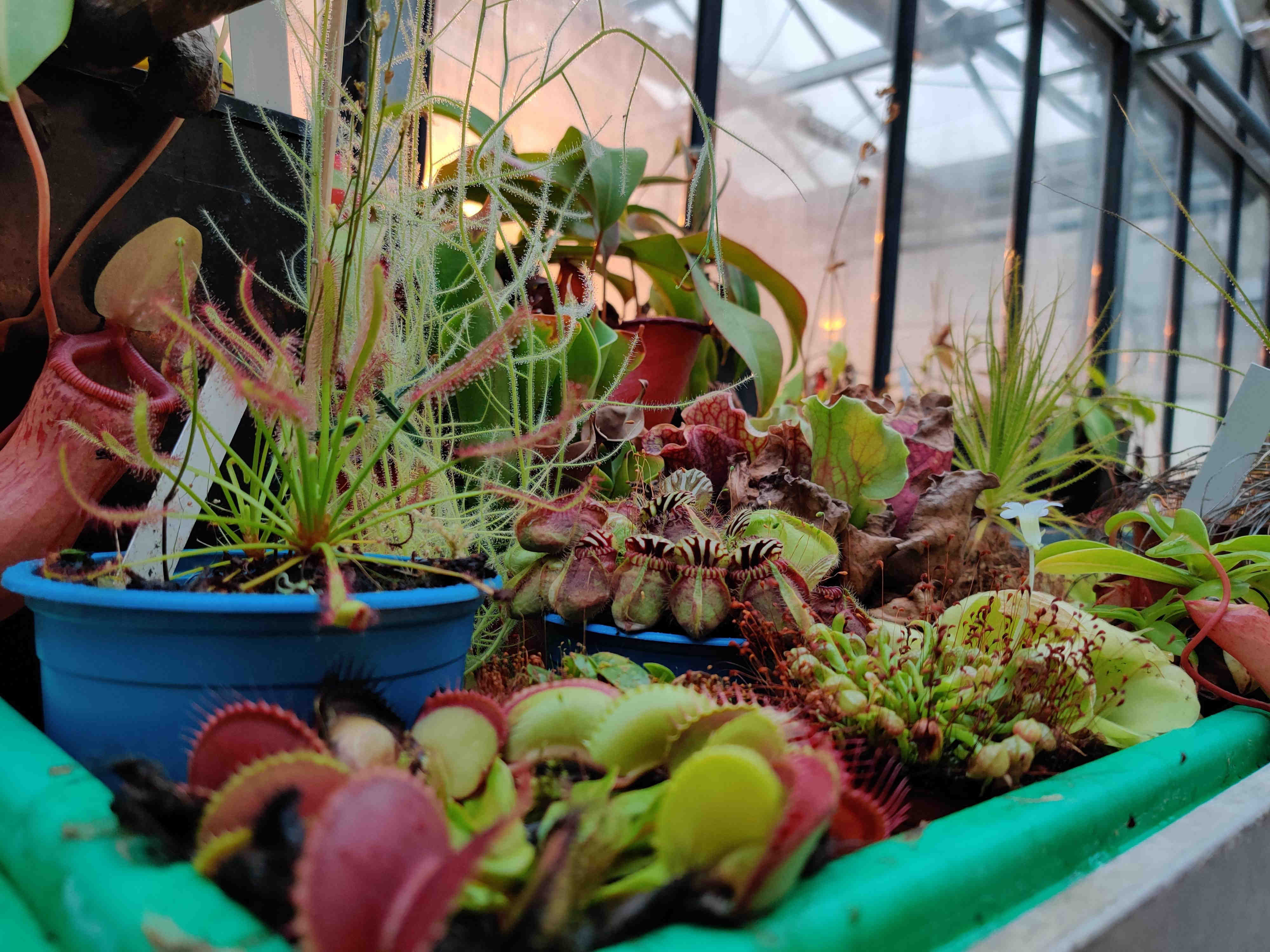
Carnivorous plants are exceptionally well suited to the study of evolutionary innovation, convergent evolution, co-option, and phenotypic plasticity. We work with a range of lineages as needed to address these questions.
We are collecting genome and transcriptome data across a broad diversity of carnivorous plants. Below are some of the species and lineages that are especially important in our research.
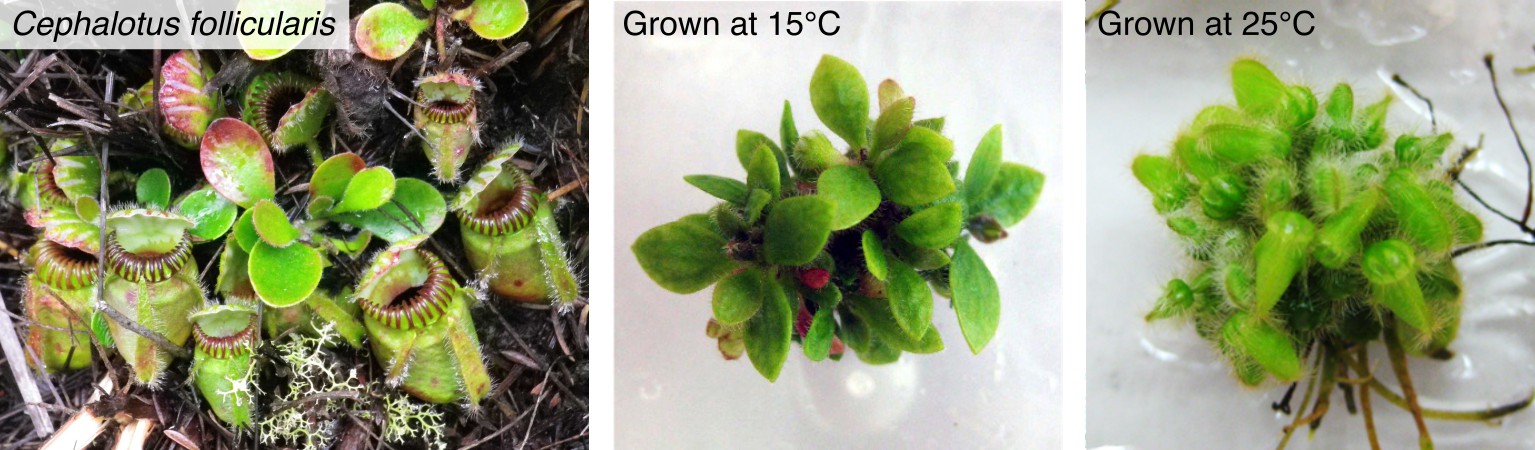
Cephalotus follicularis
Cephalotus follicularis is a carnivorous plant endemic to southwestern Australia and the sole species in its family and genus. It captures small insects with pitfall traps. This species shows striking phenotypic plasticity, producing both pitcher-shaped trapping leaves and flat photosynthetic leaves depending on growing conditions. Because carnivorous leaves always evolved from photosynthetic leaves, this plant effectively preserves ancestral and derived traits side by side, making it an especially useful system for studying evolutionary transitions.
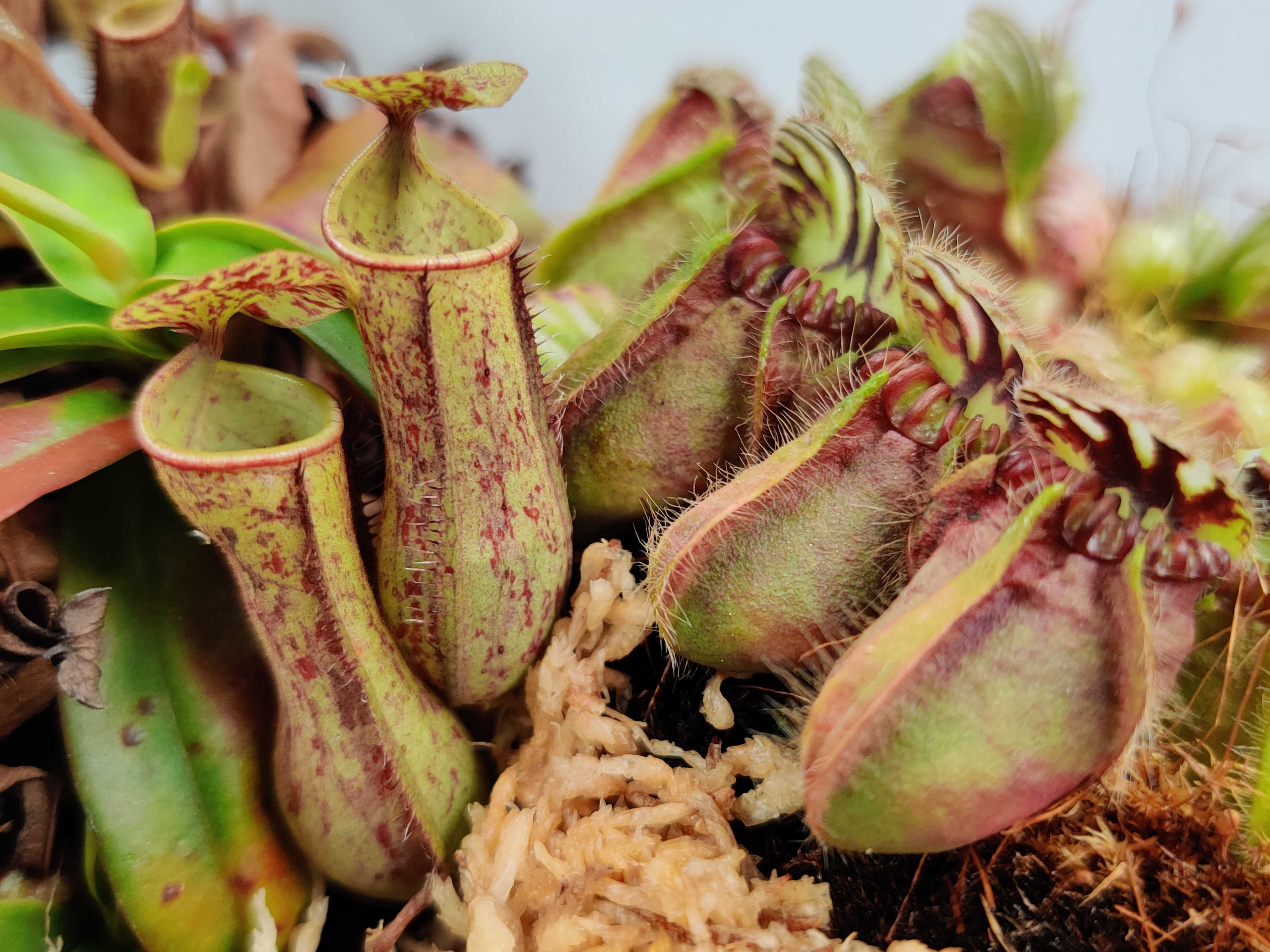
Nepenthes spp.
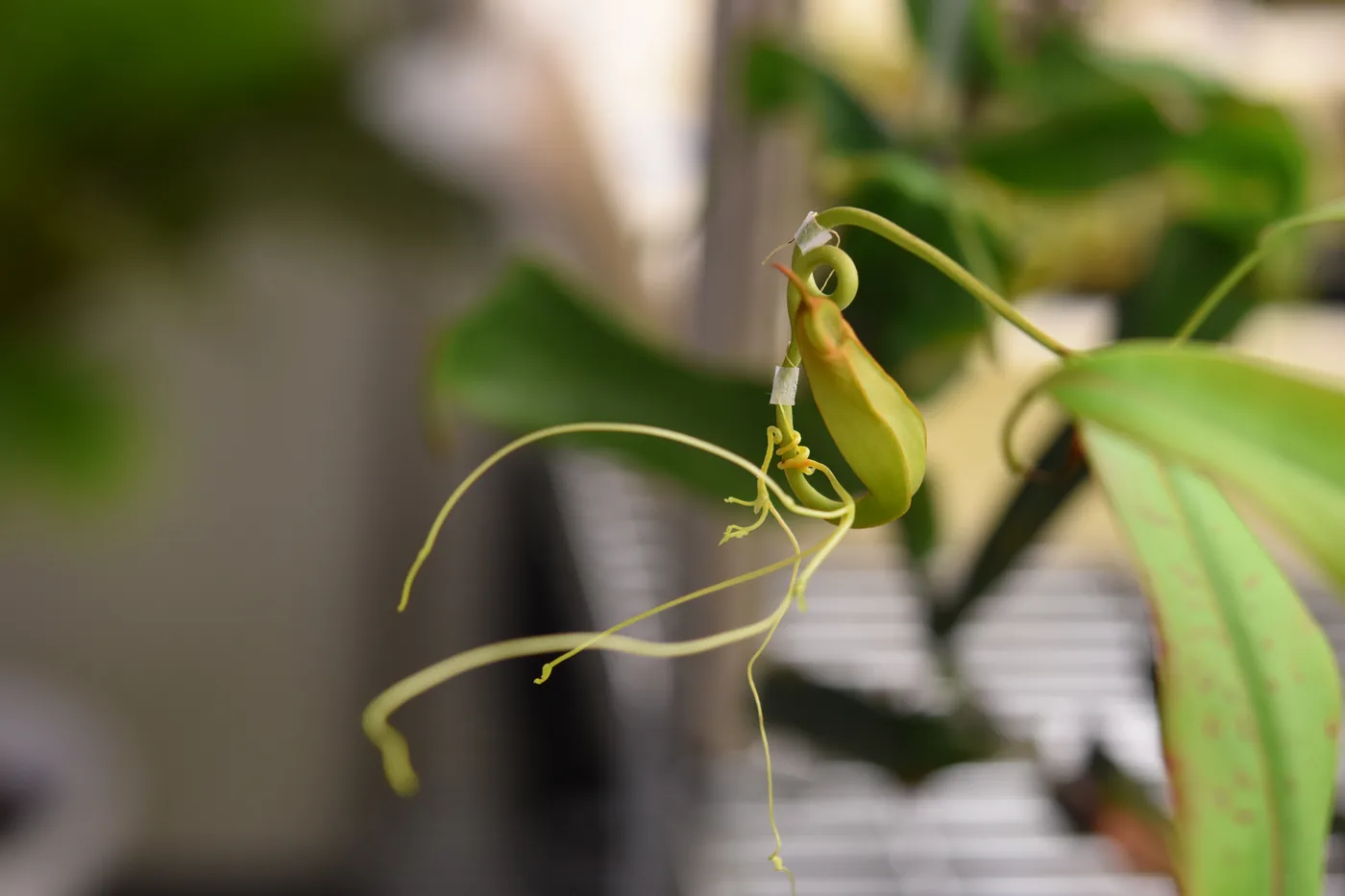
In contrast to taxonomically isolated Cephalotus, the genus Nepenthes contains nearly 200 species, and new species continue to be described. In addition to carnivory, it shows other intriguing features, such as dioecy, which is relatively uncommon in plants, and a genomic structure that preserves traces of ancient polyploidy. Because Nepenthes and Cephalotus both evolved pitcher traps, they together provide a useful system for studying convergent evolution.
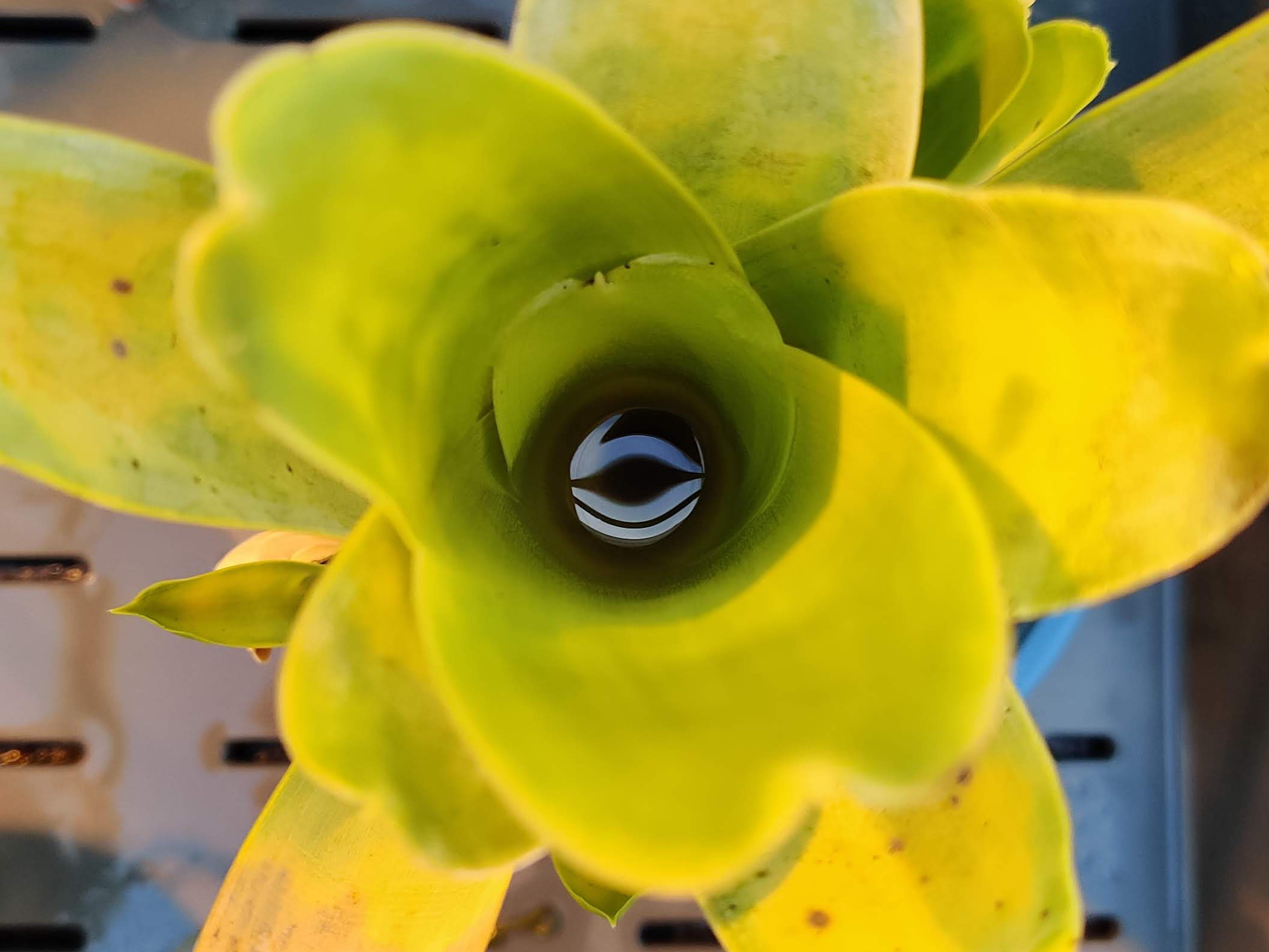
Brocchinia reducta
This bromeliad is thought to represent one of the youngest carnivorous-plant lineages on Earth. It is an attractive system for studying the early stages of carnivorous-plant evolution.
Triphyophyllum peltatum and its relatives
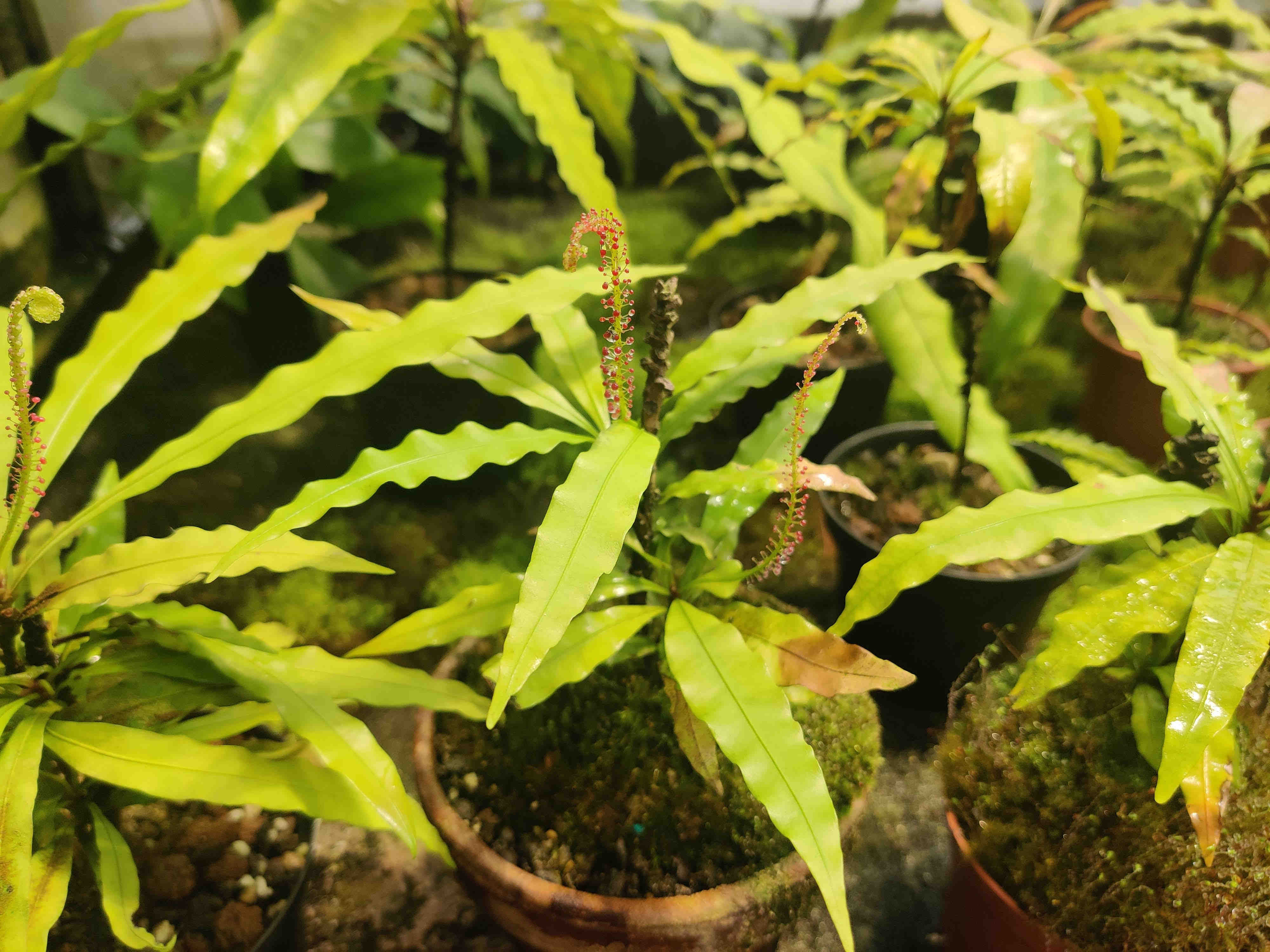
Triphyophyllum peltatum is a carnivorous plant from West Africa. It is extremely rare and almost never encountered in cultivation or trade. It is the only species in its genus, shows phenotypic plasticity, and produces sticky trapping leaves only during the rainy season while young, which is why it is often described as a “part-time carnivore.” This is interesting in itself, but its close relatives, Dioncophyllum and Ancistrocladus, are thought to have lost carnivory completely. Comparing these taxa gives us a way to study the degeneration of carnivorous traits. Because cultivation methods for this lineage are not yet established, we pursue this work in collaboration with the Botanical Garden of the University of Wuerzburg.
Arabidopsis and other model plants
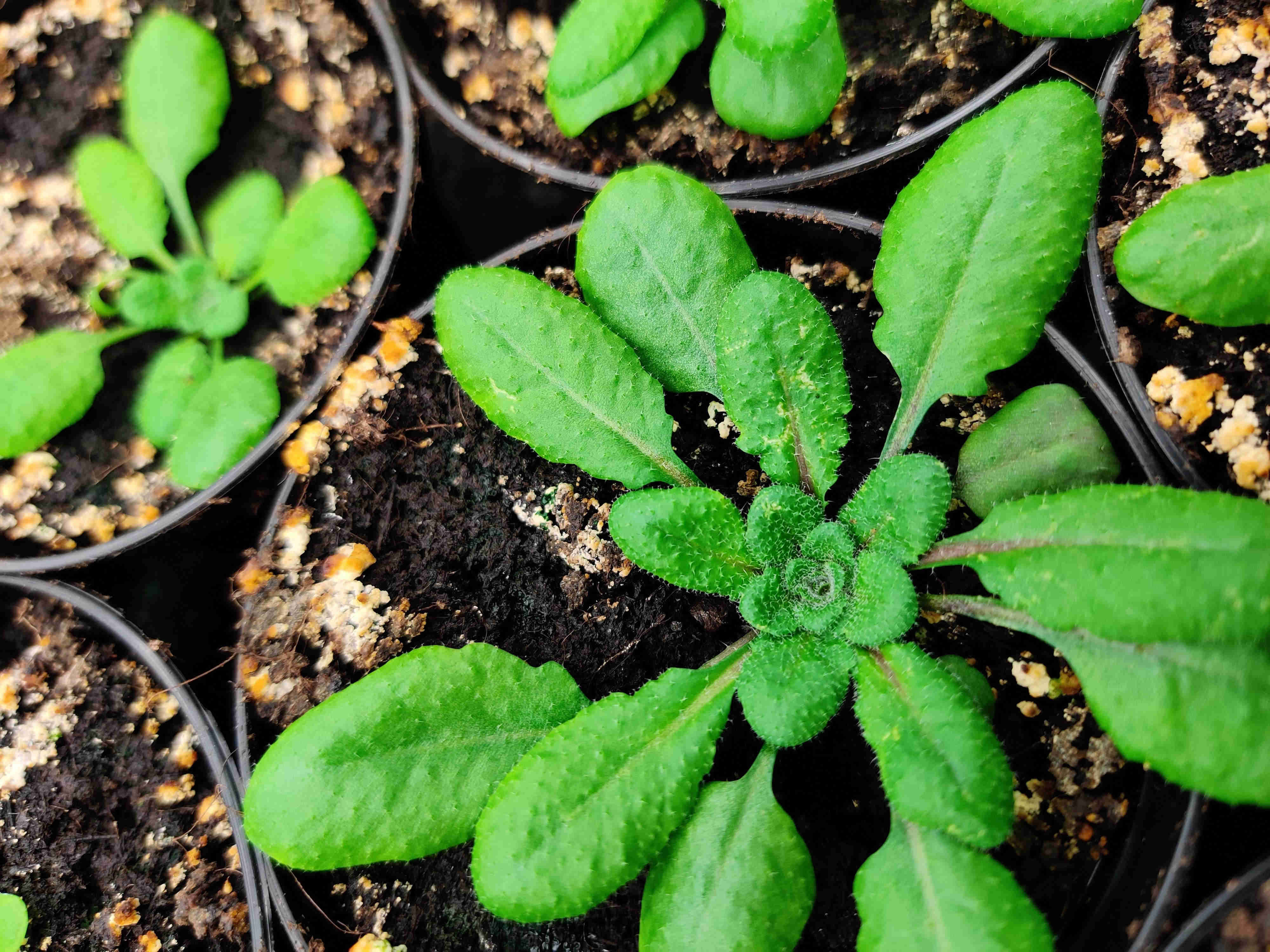
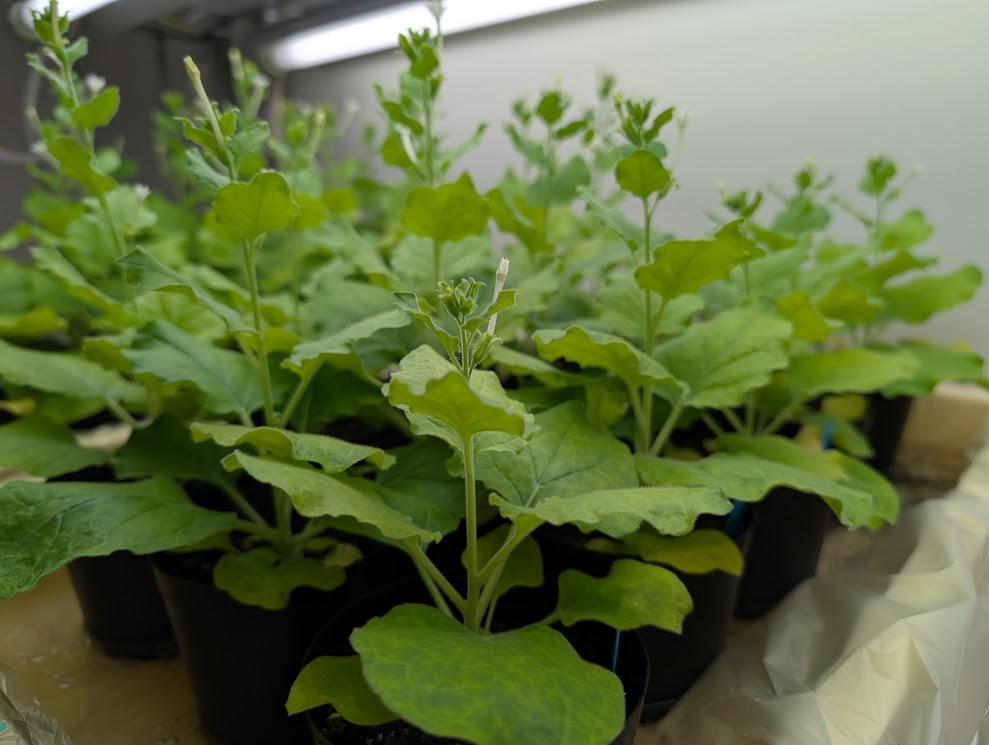
To understand evolution, it is not enough to study carnivorous plants alone. Comparison is fundamental to science, so we also work with model plants such as Arabidopsis thaliana and Nicotiana benthamiana.
Parasitic plant Cuscuta spp.
We have successfully established Cuscuta parasitism on carnivorous plants. We are now using this experimental system to develop new research focused on nutrient transport between the two plants.
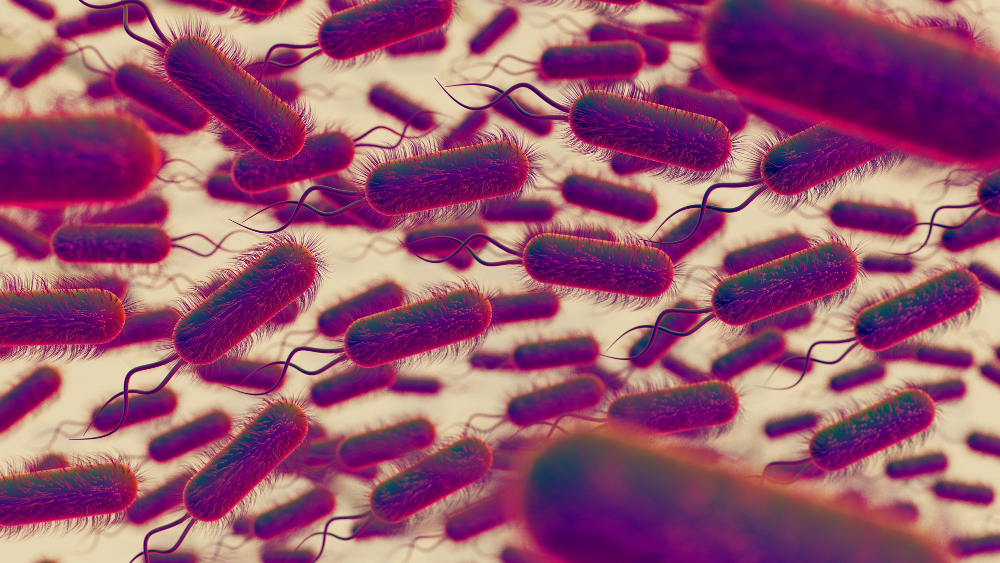
Escherichia coli and Agrobacterium
These bacteria underpin much of our molecular biology. E. coli is a dependable partner for isolating, recombining, amplifying, expressing, and functionally analyzing genes. Agrobacterium is a soil bacterium with the remarkable ability to deliver DNA into plant cells and integrate it into the genome, making it indispensable for modifying plant traits.
Organisms introduced by lab members
Our lab is not limited to carnivorous plants. If a student or researcher already has deep experience with a particular organism, even one that our lab has not previously worked on, it can become the basis of a new project. As long as genome sequences can be obtained, we can analyze many kinds of organisms within a common framework. By combining that flexibility with our bioinformatics expertise, especially our distinctive methods for studying molecular convergence, each member can pursue the core biology of “their” organism.
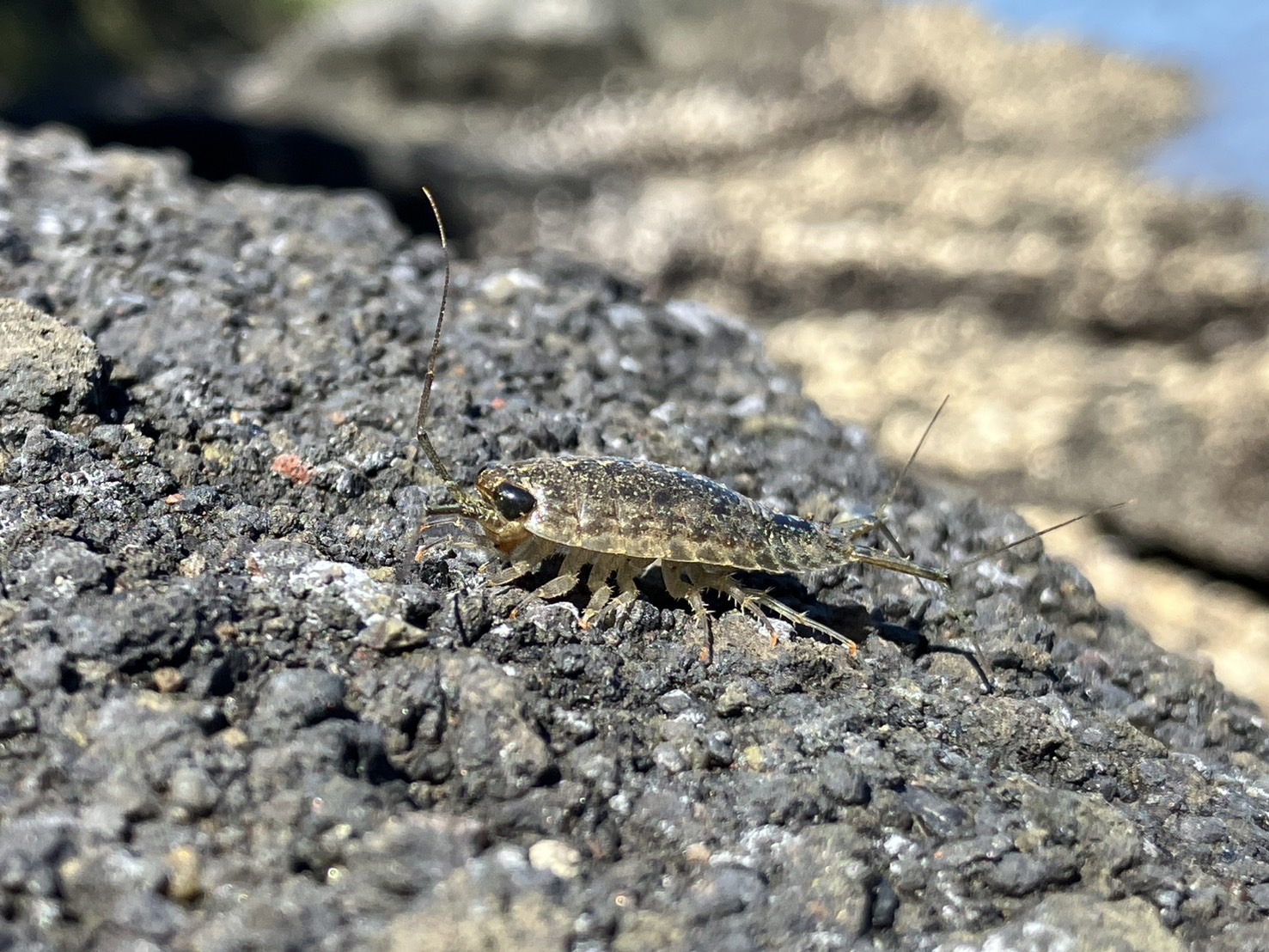
Study organism introduced by a lab member 1: Isopod crustaceans
Transitions from aquatic ancestors to life on land have occurred repeatedly across the tree of life. Isopod crustaceans such as giant isopods, sea slaters, woodlice, and pill bugs are excellent material for exploring how terrestrialization occurred.
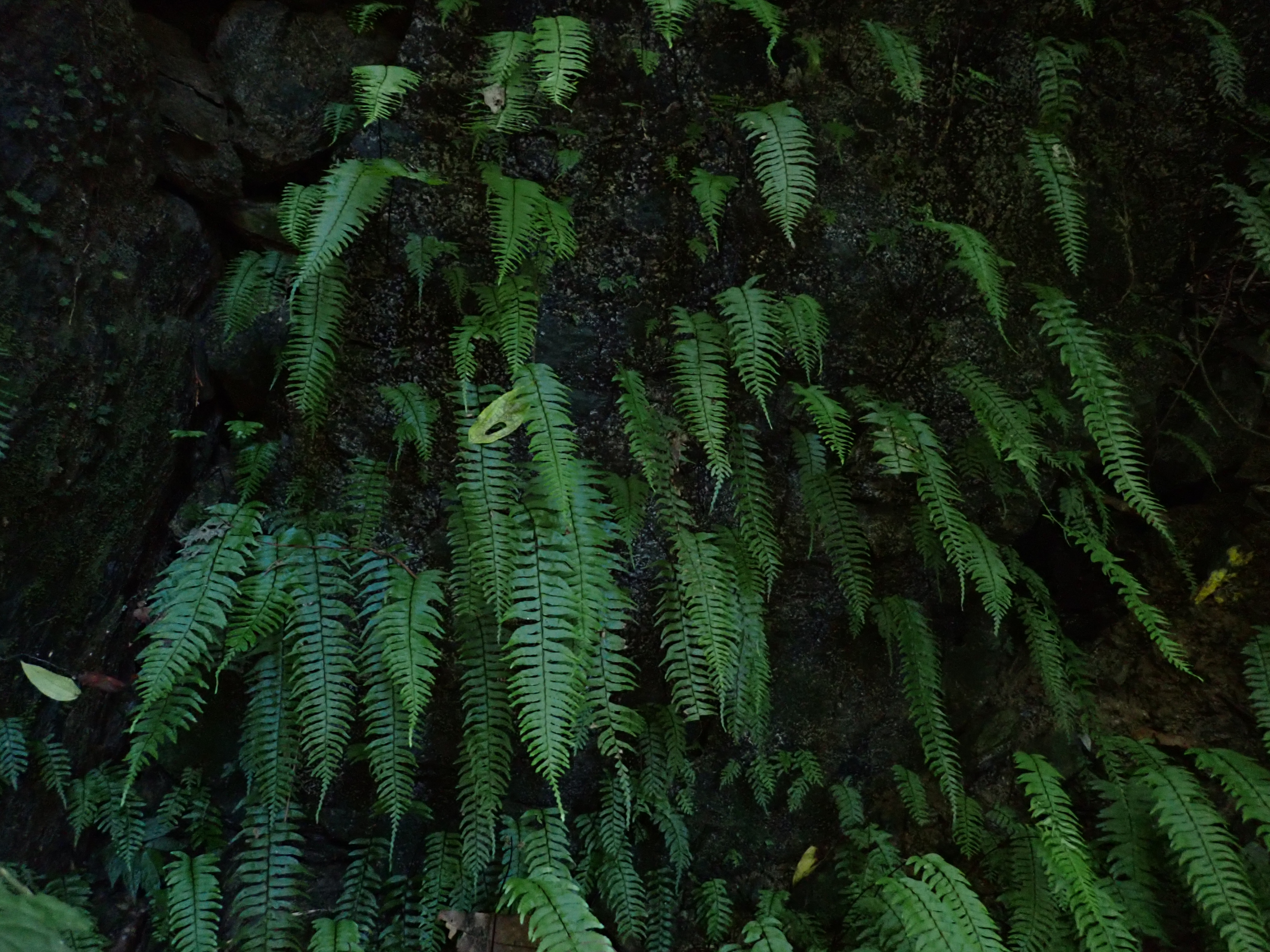
Study organism introduced by a lab member 2: Ferns
Ferns have a unique life cycle in which both the haploid gametophyte and diploid sporophyte live as independent, autotrophic bodies. They are therefore key systems for studying the evolution of reproduction and development in land plants.
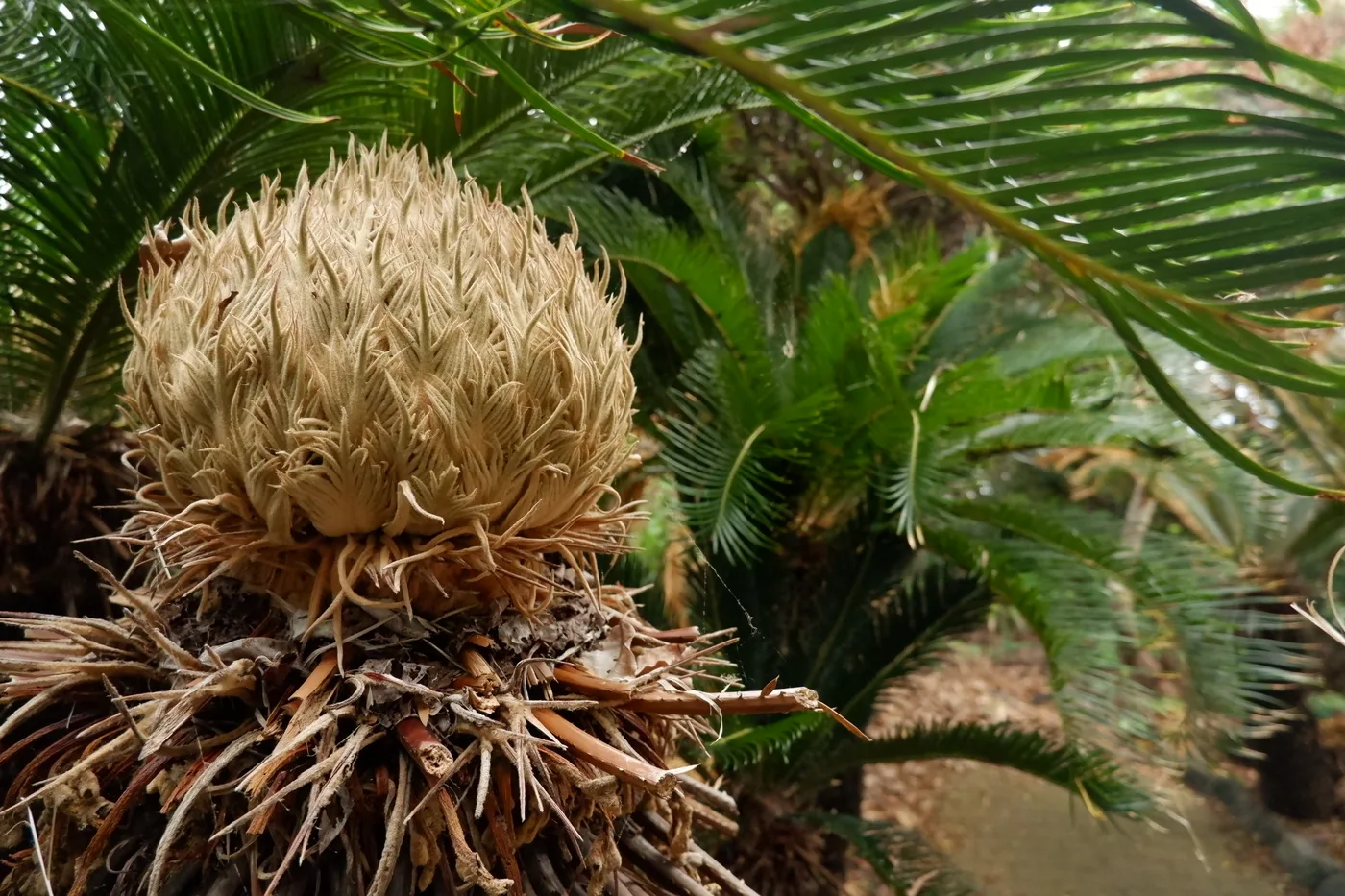
Study organism introduced by a lab member 3: Gymnosperms
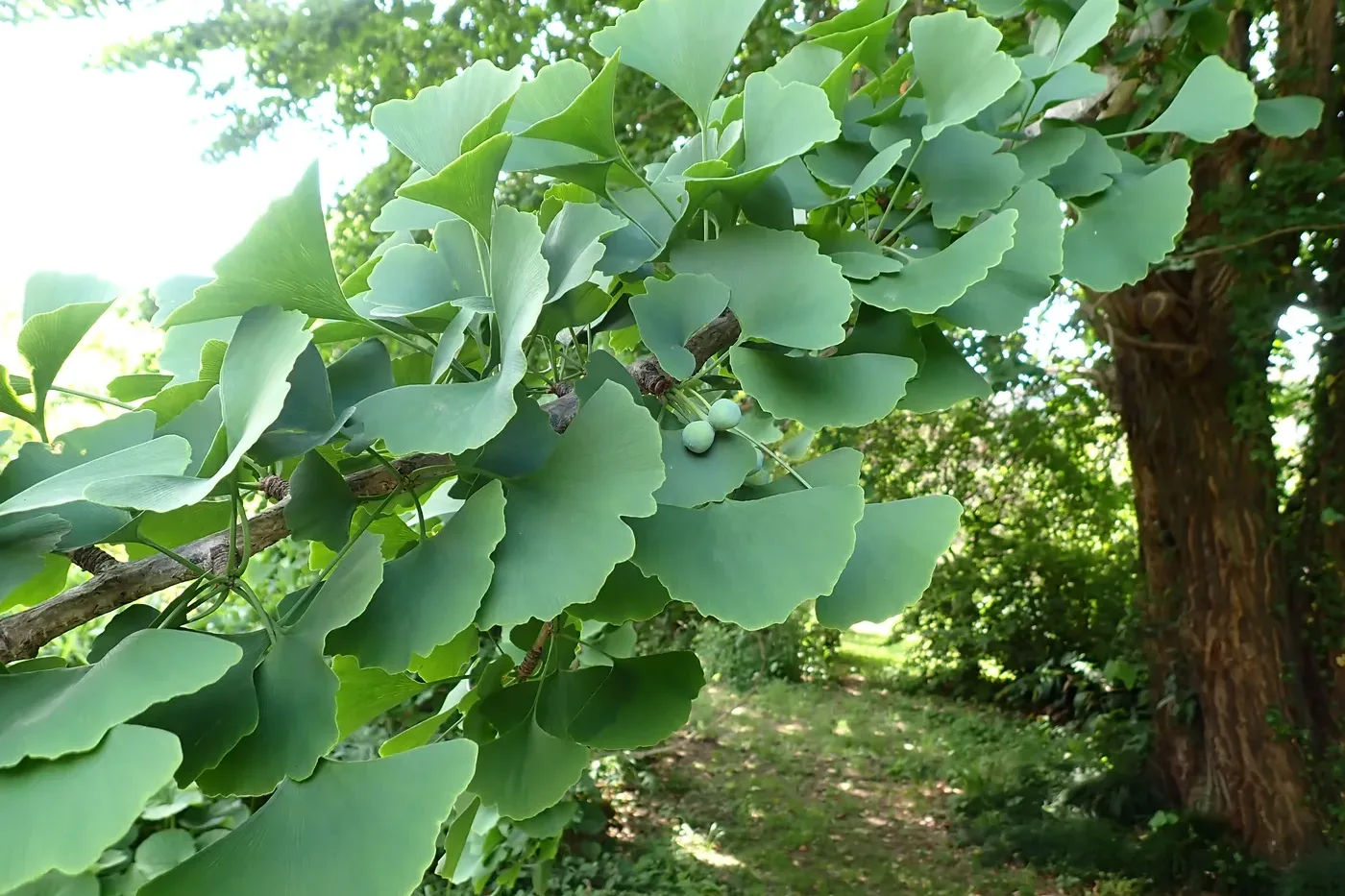
Gymnosperms such as cycads and ginkgo are plant lineages with reproductive modes that differ from those of flowering plants. Many species become large trees, yet they are indispensable for understanding the evolution of land plants.
Study organism introduced by a lab member 4: Bamboos
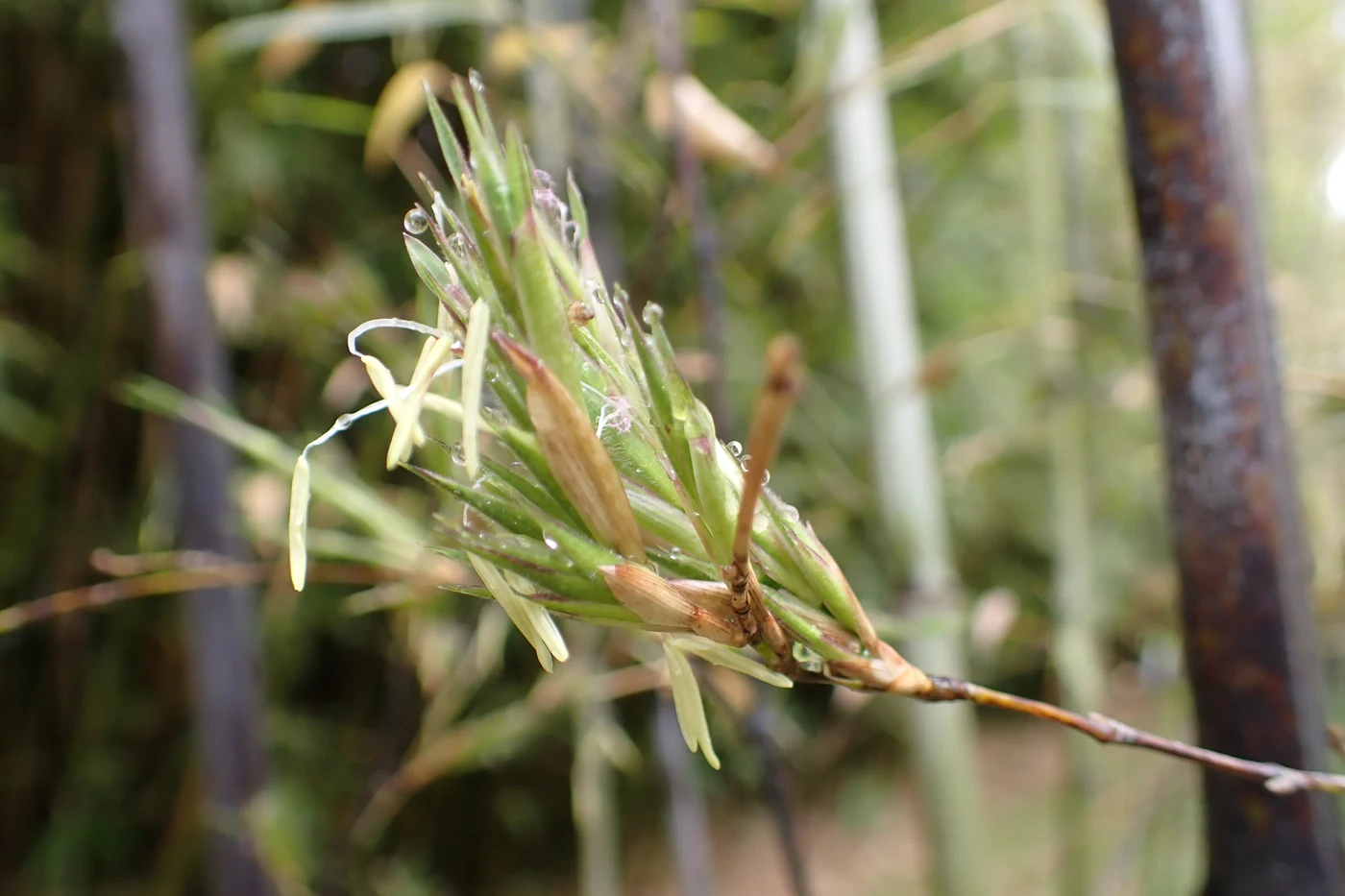
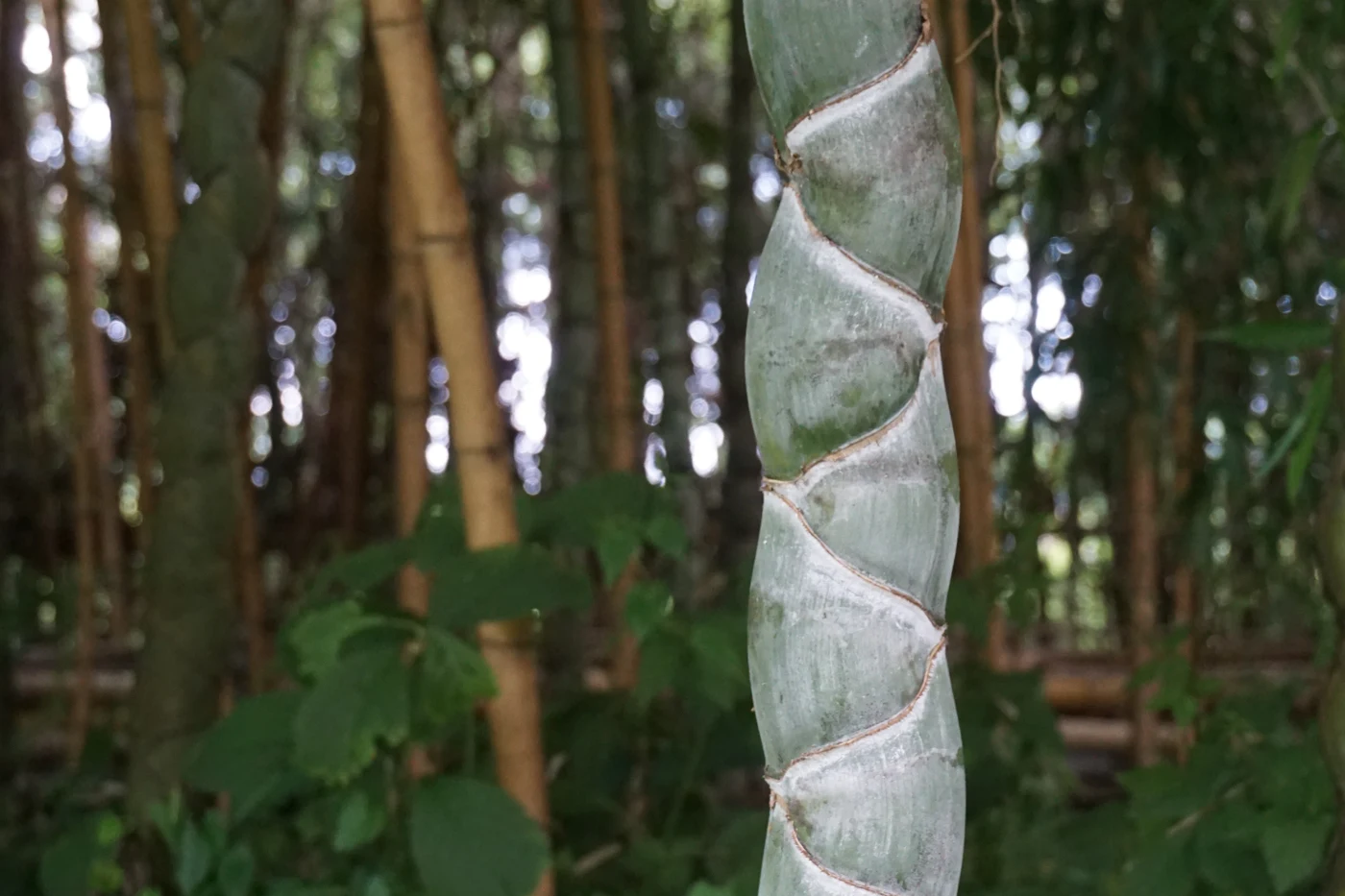
Bamboos belong to the grass subfamily Bambusoideae and are known for clonal reproduction and rare flowering. We use omics analyses as an entry point to approach these mysteries.
New study organisms
If a project aligns with our research interests, new organisms can be added to this list. See the Join page for details.
Study Organism Genus Counts
This view summarizes study-organism genera detected in publication titles and abstracts.
Each filled circle links to a paper whose title or abstract mentions the genus. Taxonomy links are available beside each genus and in the table below.
Genus paper links by number of papers
Detected genera
| Genus | Papers | First | Latest | Wikipedia | NCBI Taxonomy | GBIF |
|---|---|---|---|---|---|---|
| Cephalotus | 7 | 2017 | 2026 | Wikipedia | NCBI | GBIF |
| Drosera | 5 | 2008 | 2026 | Wikipedia | NCBI | GBIF |
| Dionaea | 5 | 2020 | 2026 | Wikipedia | NCBI | GBIF |
| Nepenthes | 5 | 2023 | 2026 | Wikipedia | NCBI | GBIF |
| Arabidopsis | 4 | 2020 | 2025 | Wikipedia | NCBI | GBIF |
| Byblis | 3 | 2007 | 2011 | Wikipedia | NCBI | GBIF |
| Utricularia | 3 | 2018 | 2026 | Wikipedia | NCBI | GBIF |
| Gastrodia | 2 | 2023 | 2025 | Wikipedia | NCBI | GBIF |
| Sarracenia | 2 | 2015 | 2025 | Wikipedia | NCBI | GBIF |
| Vigna | 1 | 2022 | 2022 | Wikipedia | NCBI | GBIF |
| Polygonum | 1 | 2019 | 2019 | Wikipedia | NCBI | GBIF |
| Rorippa | 1 | 2014 | 2014 | Wikipedia | NCBI | GBIF |
| Quercus | 1 | 2026 | 2026 | Wikipedia | NCBI | GBIF |
| Aldrovanda | 1 | 2020 | 2020 | Wikipedia | NCBI | GBIF |
| Asarum | 1 | 2025 | 2025 | Wikipedia | NCBI | GBIF |
| Brocchinia | 1 | 2025 | 2025 | Wikipedia | NCBI | GBIF |
| Capparis | 1 | 2025 | 2025 | Wikipedia | NCBI | GBIF |
| Carica | 1 | 2025 | 2025 | Wikipedia | NCBI | GBIF |
| Lithocarpus | 1 | 2026 | 2026 | Wikipedia | NCBI | GBIF |
| Momordica | 1 | 2008 | 2008 | Wikipedia | NCBI | GBIF |
| Roridula | 1 | 2025 | 2025 | Wikipedia | NCBI | GBIF |
| Solanum | 1 | 2024 | 2024 | Wikipedia | NCBI | GBIF |